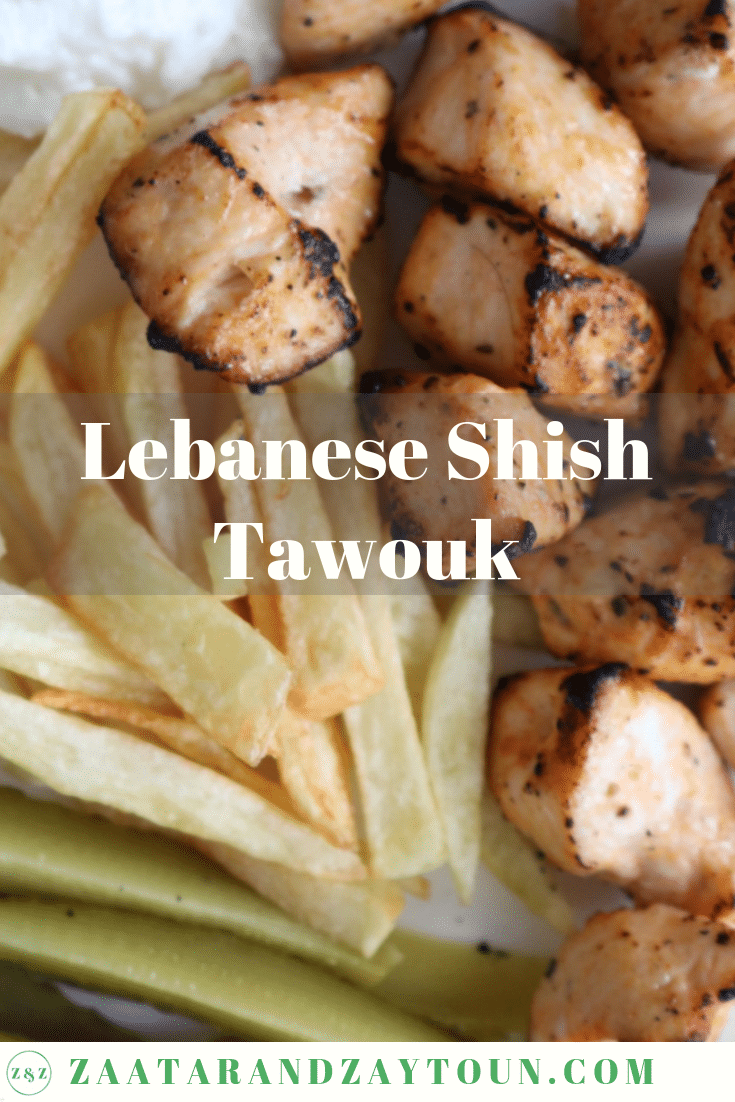

Here are my top 10 authentic Lebanese recipes, made the traditional teta way, without shortcuts or swaps.
For something to be authentic, it has to capture the essence of the dish and preserve the core ingredients, techniques and flavours.
I chose these 10 as I feel they either have to be on any Lebanese mezze or they are made in a distinctly Lebanese way different to regional varieties.
1. Kibbeh
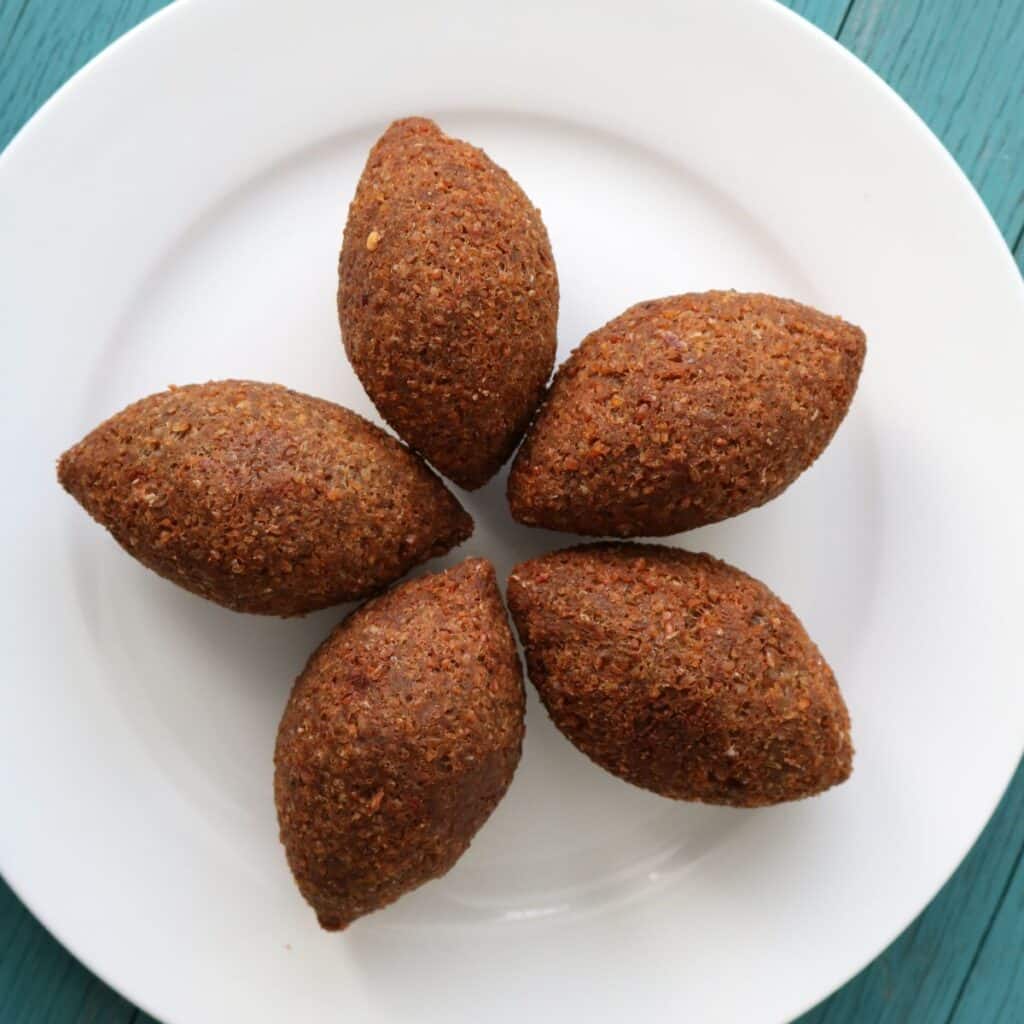
First up is Kibbeh because it's the Lebanese national dish, and everyone in their lifetime should experience biting into delicious crunchy fried kibbeh. As we say in Lebanon if you haven't tried it '3umrek khsara' (you're life is not worth living!) which is dramatic but very true.
Kibbeh is actually a food group that relies on kibbeh spices (recipe available here) and bulgur wheat. It can be made fried into balls, in a tray (bel sanieh), raw kibbeh (nayeh), you can also have potato kibbeh, or tomato kibbeh (kamounet banadoura), which you should definitely try.
2. Tabbouleh
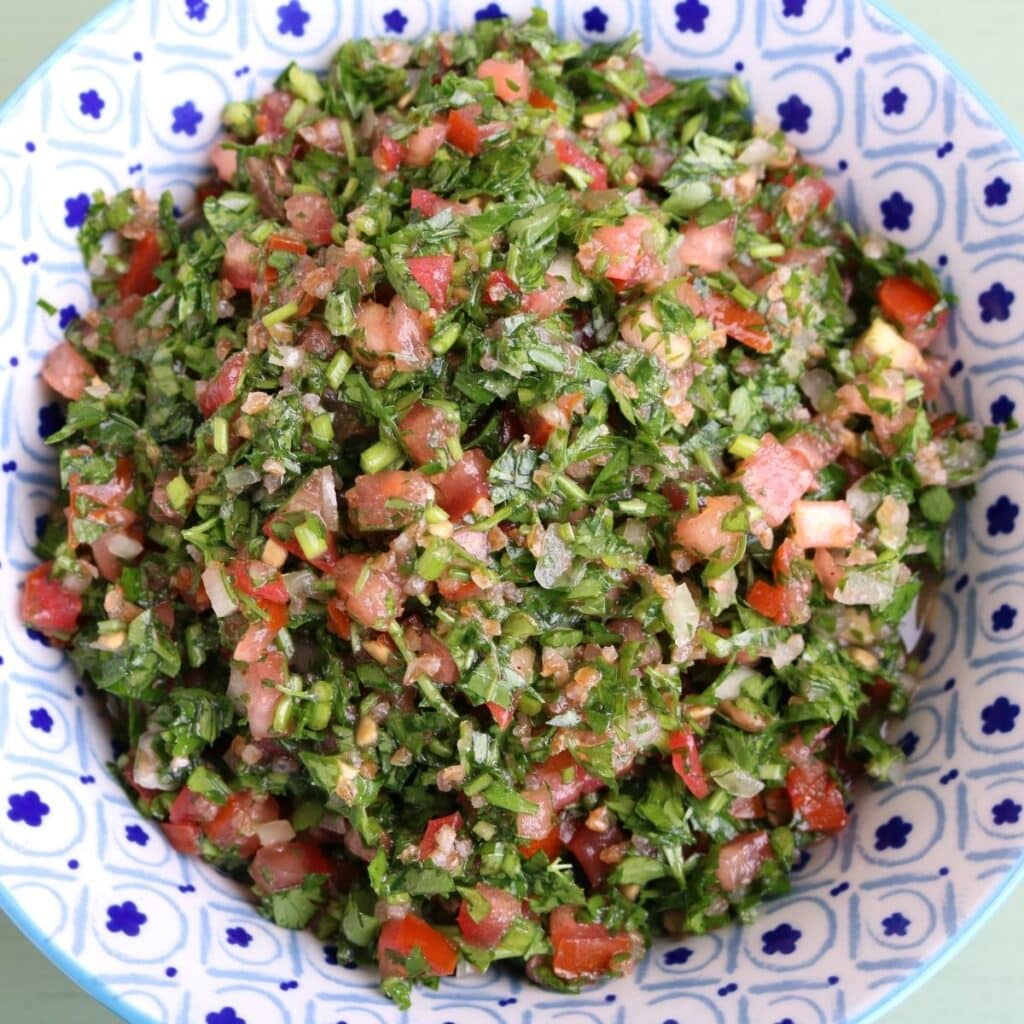
Lebanese tabbouleh salad is a beautiful celebration of parsley. The important thing is that the ingredients are chopped finely using a sharp knife so it won't be too heavy.
Please do not overload the bulgur wheat it's not a grain bowl. The tomatoes, bulgur wheat, mint, spring onion all complement the parsley and bring out its best. You can even add a tiny teeny sprinkle of 7 spice to add depth, and my favourite way to enjoy it is with a traditional Lebanese bbq.
3. Falafel
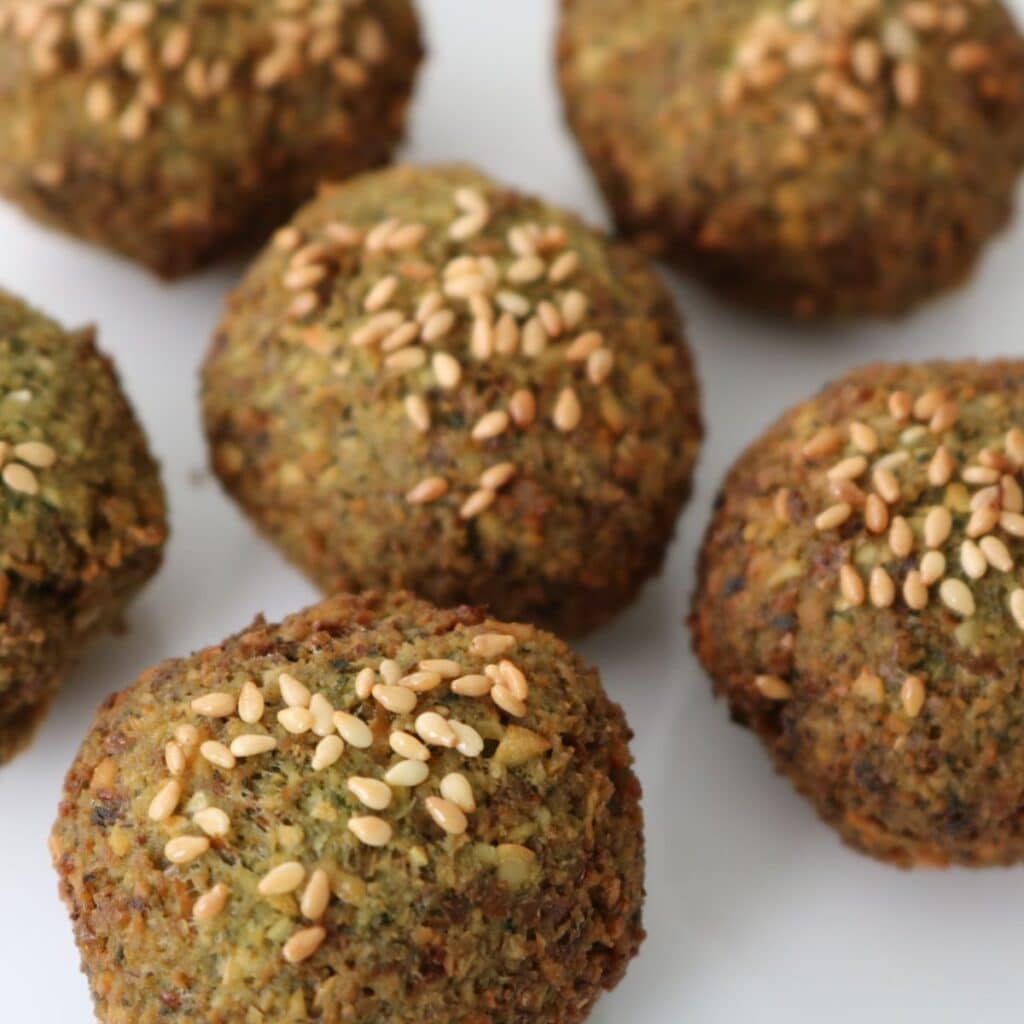
Let's talk falafel and I don't want soggy, sad, bland falafel, I want crunchy, light, savoury deliciousness. I also want them in a perfectly balanced wrap with extra fresh bread (no more than a day old!), pickles (sour not sweet thank you), tomatoes (not too squishy), a little bit of parsley and lots of tahini sauce (zingy and lemony).
Once I started making my own falafel it was a game-changer, and you know it's been cooked in healthy oil that hasn't been burnt to hell.
4. Batata Harra
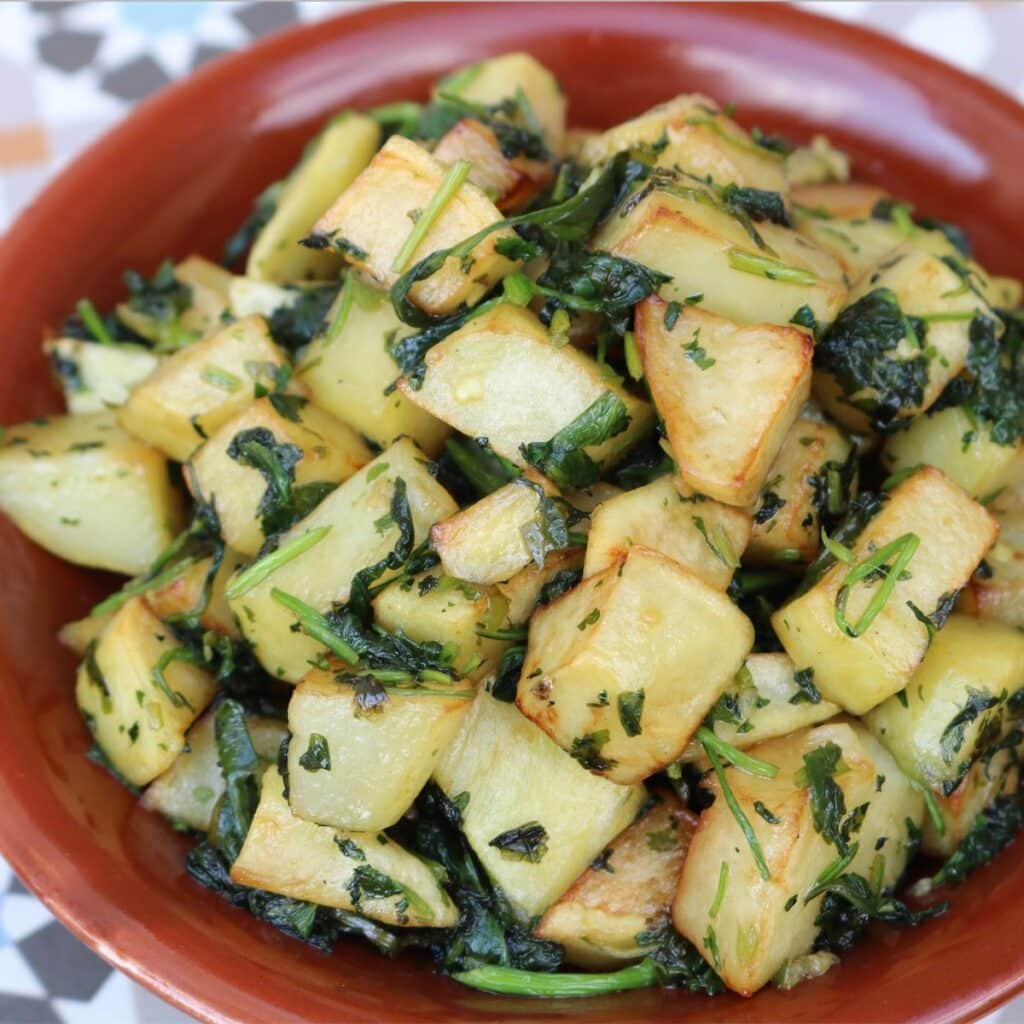
Batata harra (spicy potatoes) is my signature dish, with everyone tasting it asking for my recipe, thinking they can simply emulate my potato greatness, and although I have shared my recipe on this blog, I still make it the best and if you want to challenge me, come, and I shall happily greet you at the gate of your doom.
I use lots of cilantro, garlic and fresh chilli, but not too much so you suffer, but enough to feel that gentle burn at the back of your throat. Potato perfection.
5. Hummus
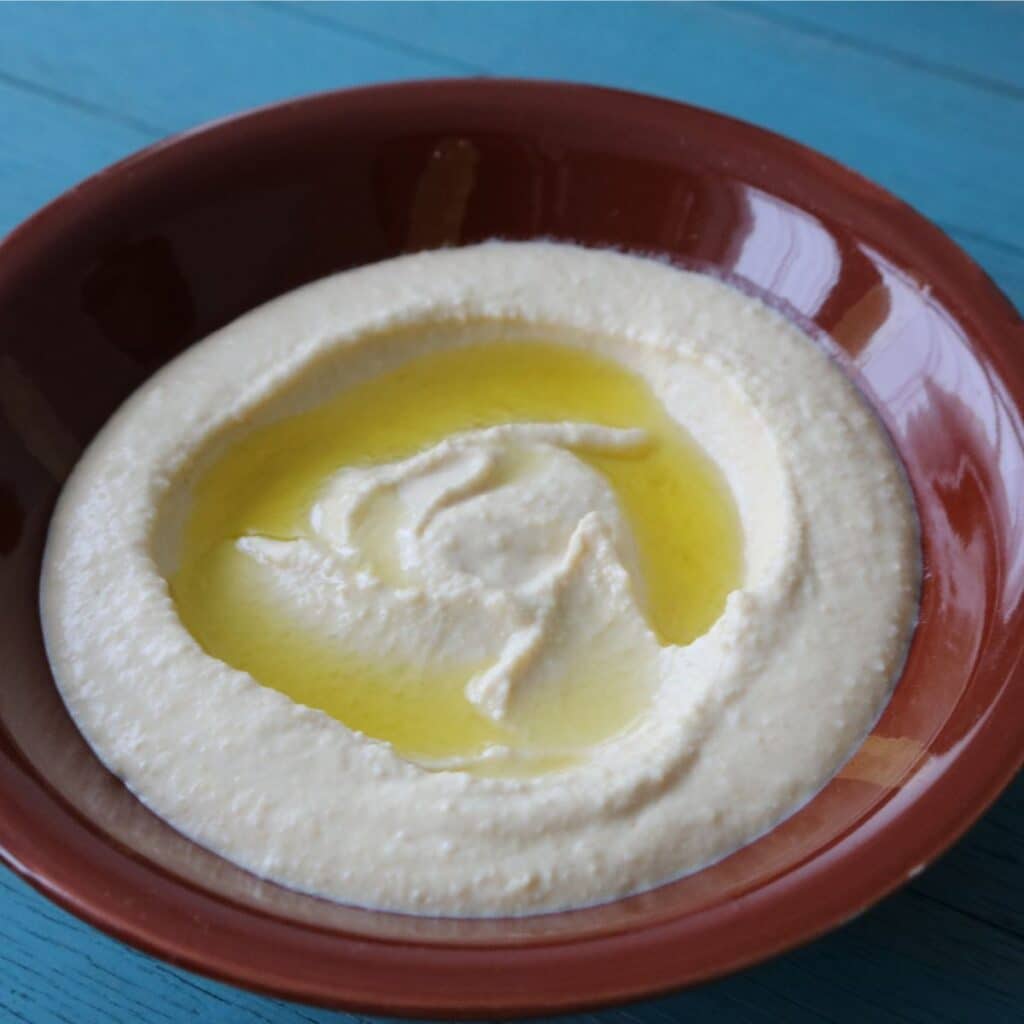
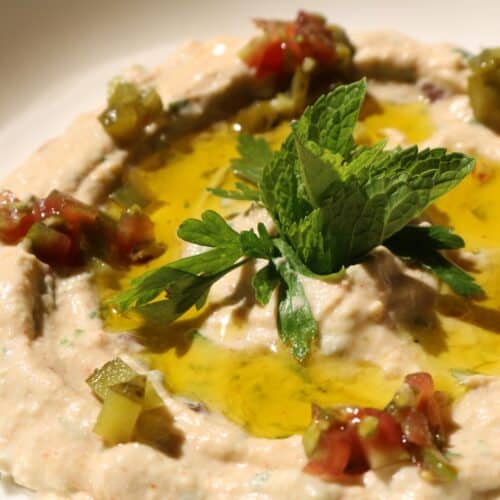
Hummus is the Middle East's greatest dip, and you know that's true because you can eat good hummus everyday and be happy.
All you have to do is soak some chickpeas the night before and whizz in the food processor. You also have to taste and adjust the lemon, tahini and salt.
I will not accept bland, grainy or dull hummus. I want bright lemony super smooth hummus. Good thing I have lots of tips to achieve this including peeling your chickpeas and adding an ice cube at the end.
6. Shish Tawouk
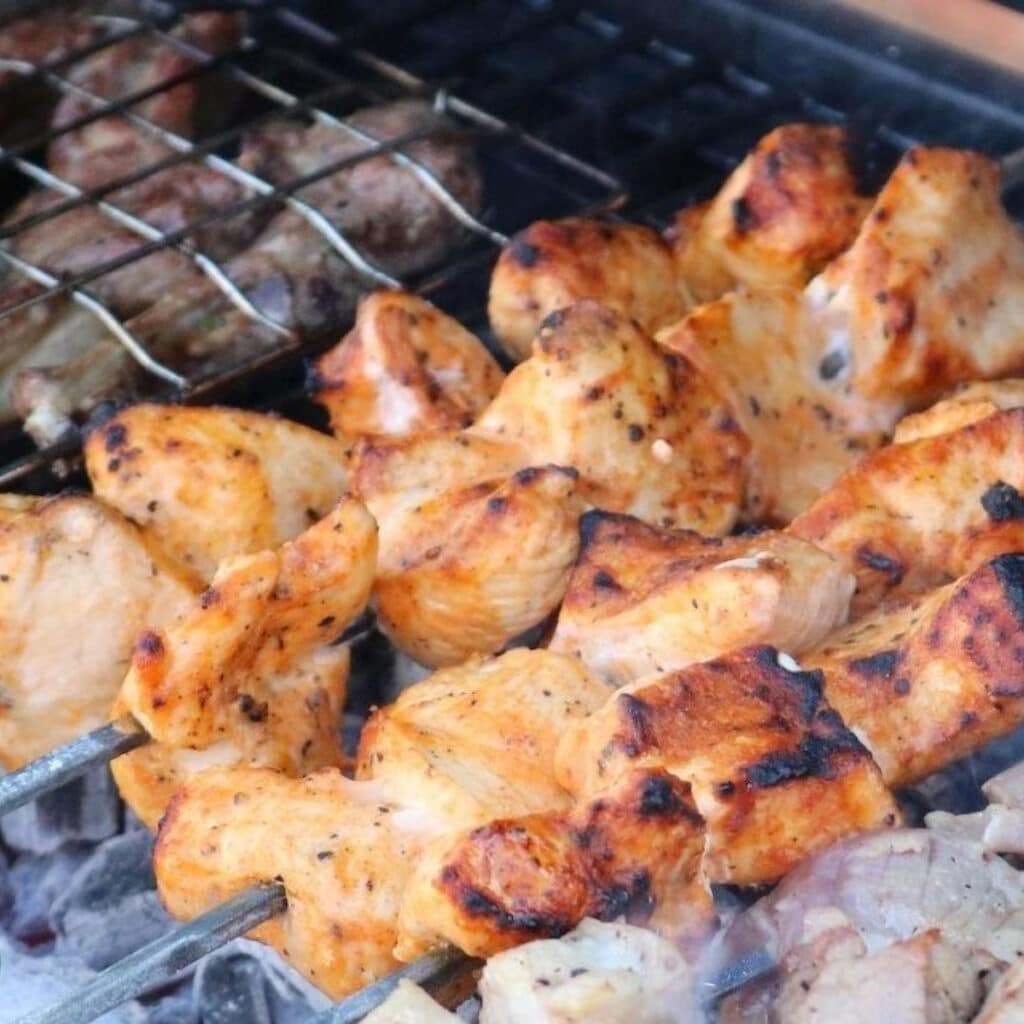
Shish tawouk is the famous classic Lebanese chicken marinade that takes no time to put together. It's basically a few spices, ketchup, yogurt and a little vinegar, but somehow manages to liven up any BBQ.
You can grill it, pan fry it or even put it in the oven with a little oil. If you want to make a wrap, add some toum, handcut fries, coleslaw and pickles to some extra fresh Lebanese bread. Griddle for two minutes on a panini press for that final professional touch.
7. Mujadara
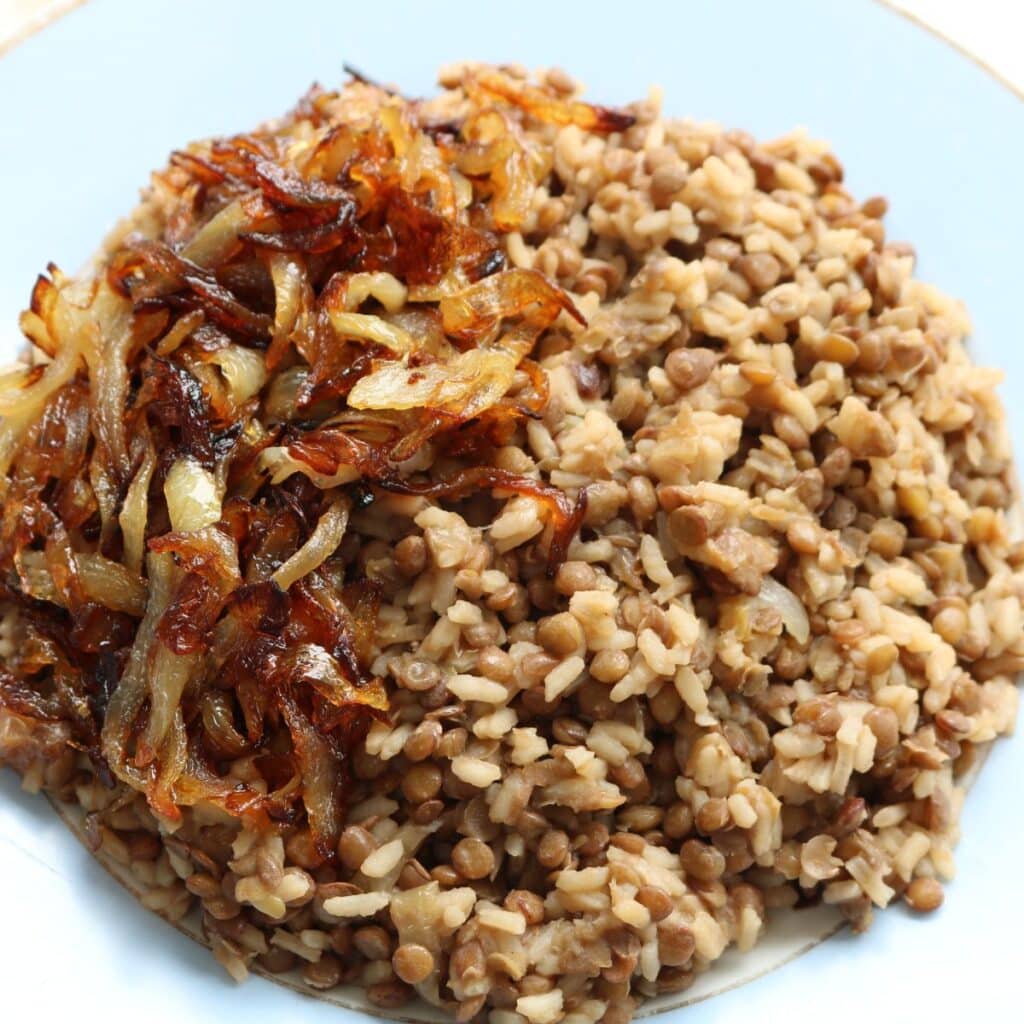
The rice and lentil dish that defined a many Lebanese childhood. It's cheap, cheerful and healthy, why wouldn't your mum make this at least once a week? Now you're big you can see the beauty and simplicity in this perfectly balanced dish, topped with caramelized onions.
Mujadara can be made multiple ways, including mujadara makhbousa, which has more of a risotto texture, mujadara hamra, which is an advanced onion and lentil dish not to be attempted by amateurs, and even mujadara safra, which uses red split lentils but actually turns out yellow.
8. Manakish
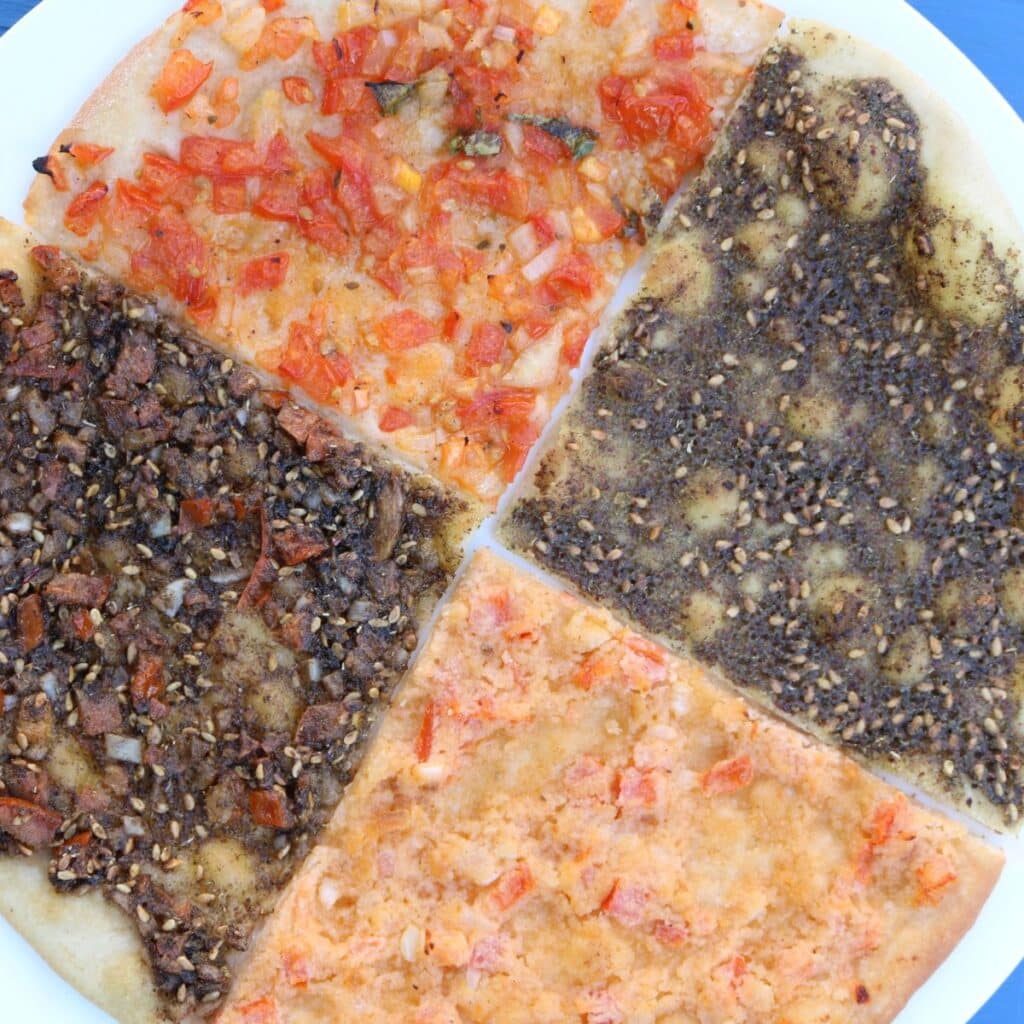
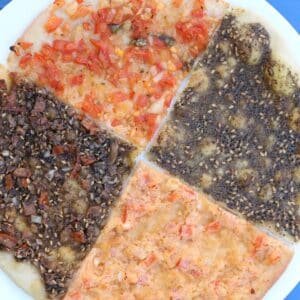
Manakish is the breakfast flatbread that can be topped with zaatar, kishik, tomato and onion, meat, or cheese, traditionall made in communal ovens known as furuns.
Manakish is the plural term and man'oushe is the singular term. You will rarely eat just one man'oushe, and will most certainly have lots of manakish if you go to Lebanon.
Luckily we have the best manakish dough recipe here on the internet, with extra tips and tricks. Soon you will find yourself making these at least once a week to get your manakish fix.
9. Mahashi
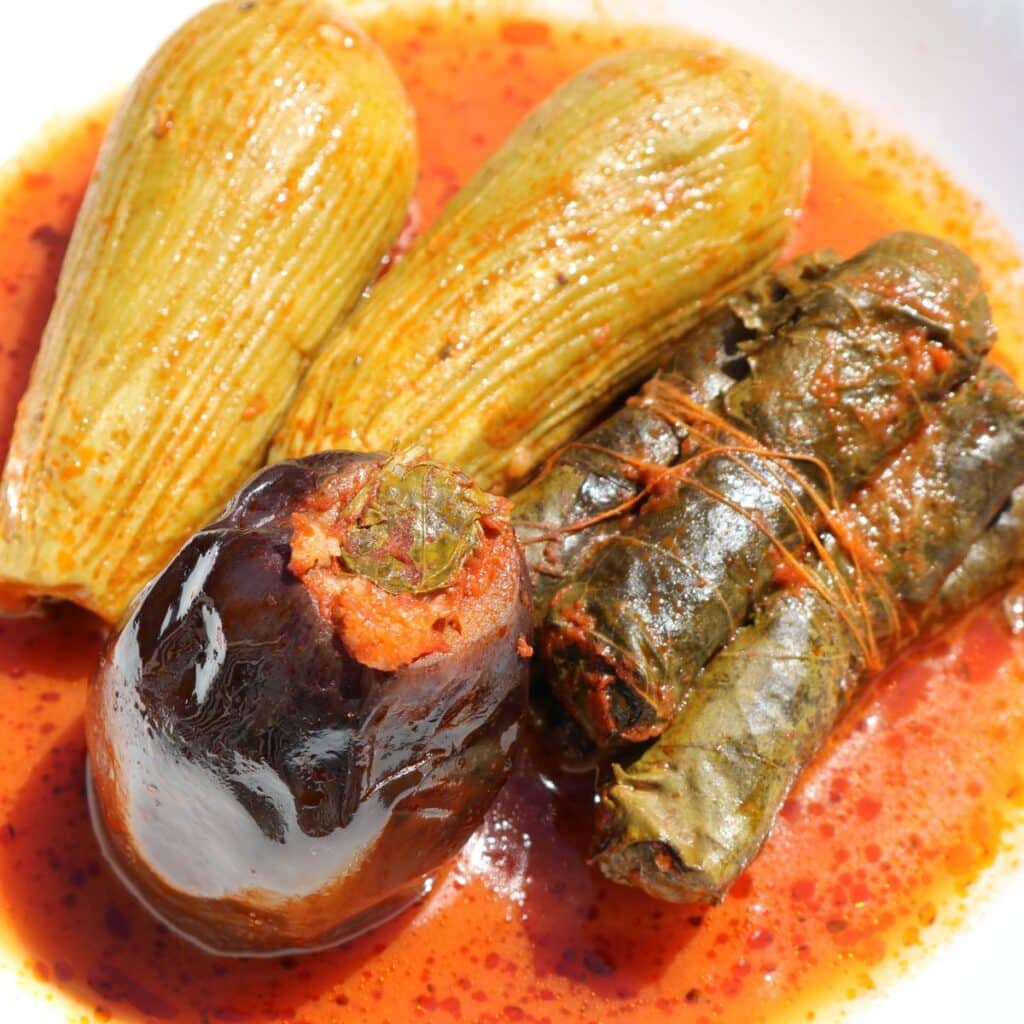
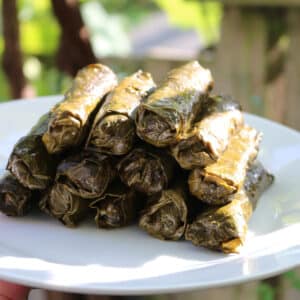
Mahashi is a broad Arabic term for stuffed vegetables and you can either make them with meat (bi lahme) or in oil (b'zeit), which refers to non meat fillings.
My absolute favourite is warak enab b'zeit (vegetarian stuffed grape leaves) followed closely by kousa mahshi (stuffed zucchini). My husband prefers malfouf (stuffed cabbage), and not forgetting the very popular sheikh el mahshi (stuffed eggplants in tomato sauce).
The art of stuffing vegetables to something to be celebrated, and the Lebanese have perfected it beautifully.
10. Molokhia
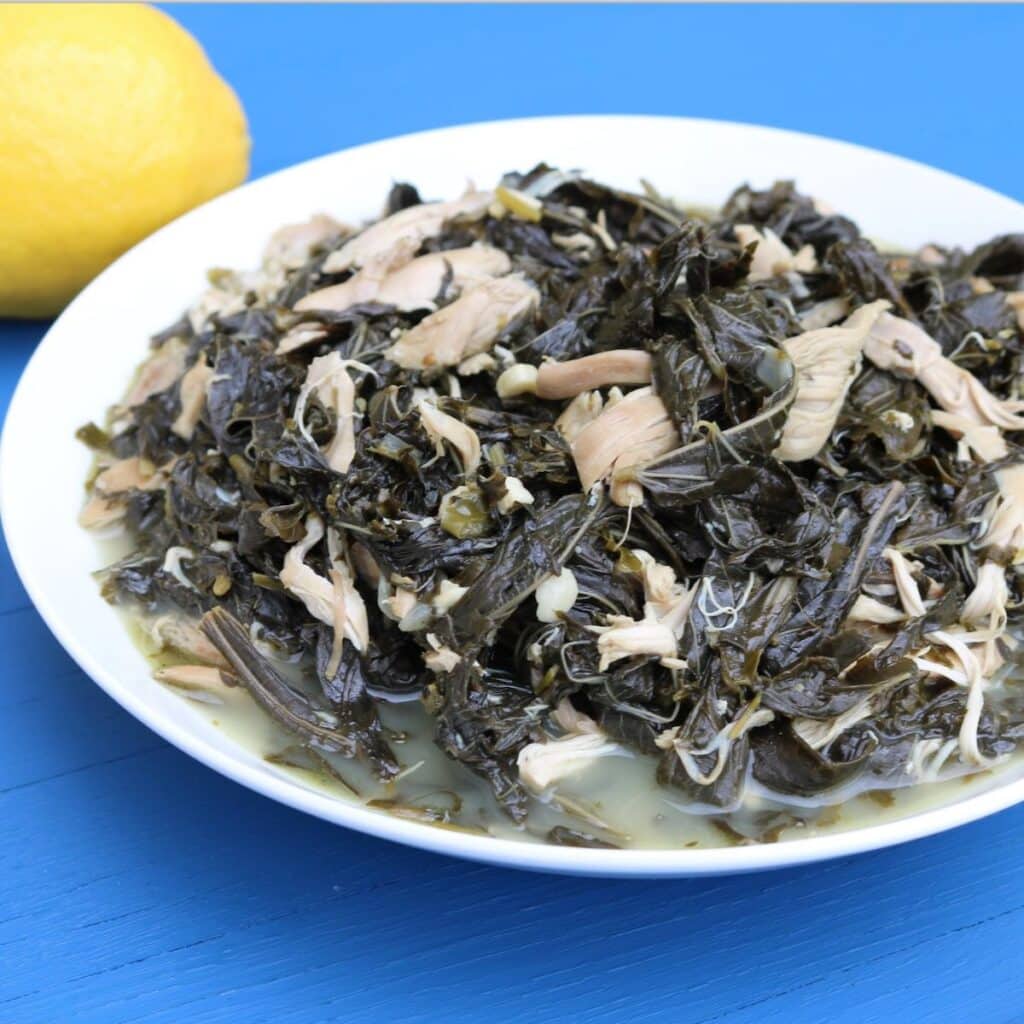
Finally we have molokhia, literally the food of kings, and the Lebanese version is more of a stew to be eaten with rice. The jute leaf (mallow) travelled from Africa through Egypt to the Levant and this chicken stew is garlicky, spicy, earthy and simply fabulous. You rarely find it at restuarants as it takes about four hours to make if done properly.
If you have had the privilege of eating molokhia made by a teta then you have been blessed! It's a firm favourite with even the kids in Lebanese households and we have the ultimate tried and tested recipe on our website. Tikramo 🙂
If you make any of our recipes let us know how it went by giving us a star rating at the bottom of the recipe page.
Check out our Youtube page for full video tutorials, our Facebook group to discuss Lebanese cooking, as well as our pinterest and tiktok page for quick tips.
Here are some more of our recent recipes: